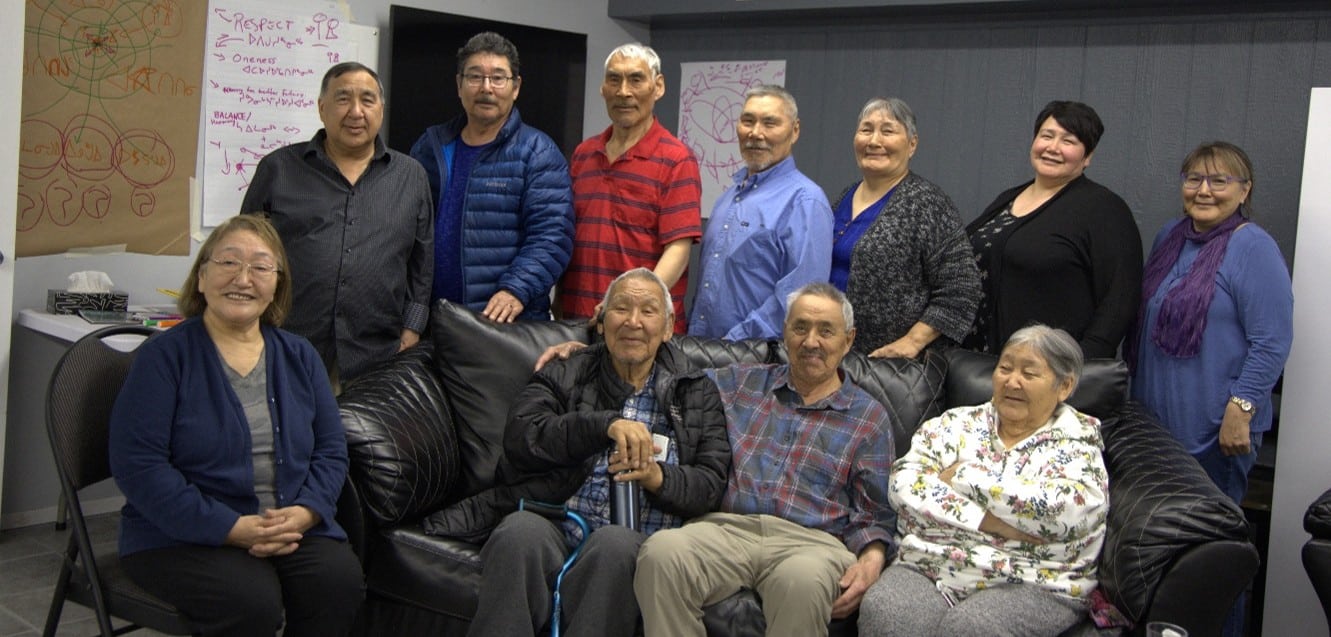
MakeWay is pleased to share the Inuit Stewardship Elders Gathering Report, which reflects discussions held with Inuit Elders in Arviat, Nunavut, in April 2025.
The gathering was hosted by the Northern Program team in partnerships, and under the leadership of Joe Karetak from Qaujigiartiit Health Research Centre (QHRC). Below, Lori Tagoona Randall, Program Lead, Inuit Nunangat, shares reflections and learnings from the gathering.
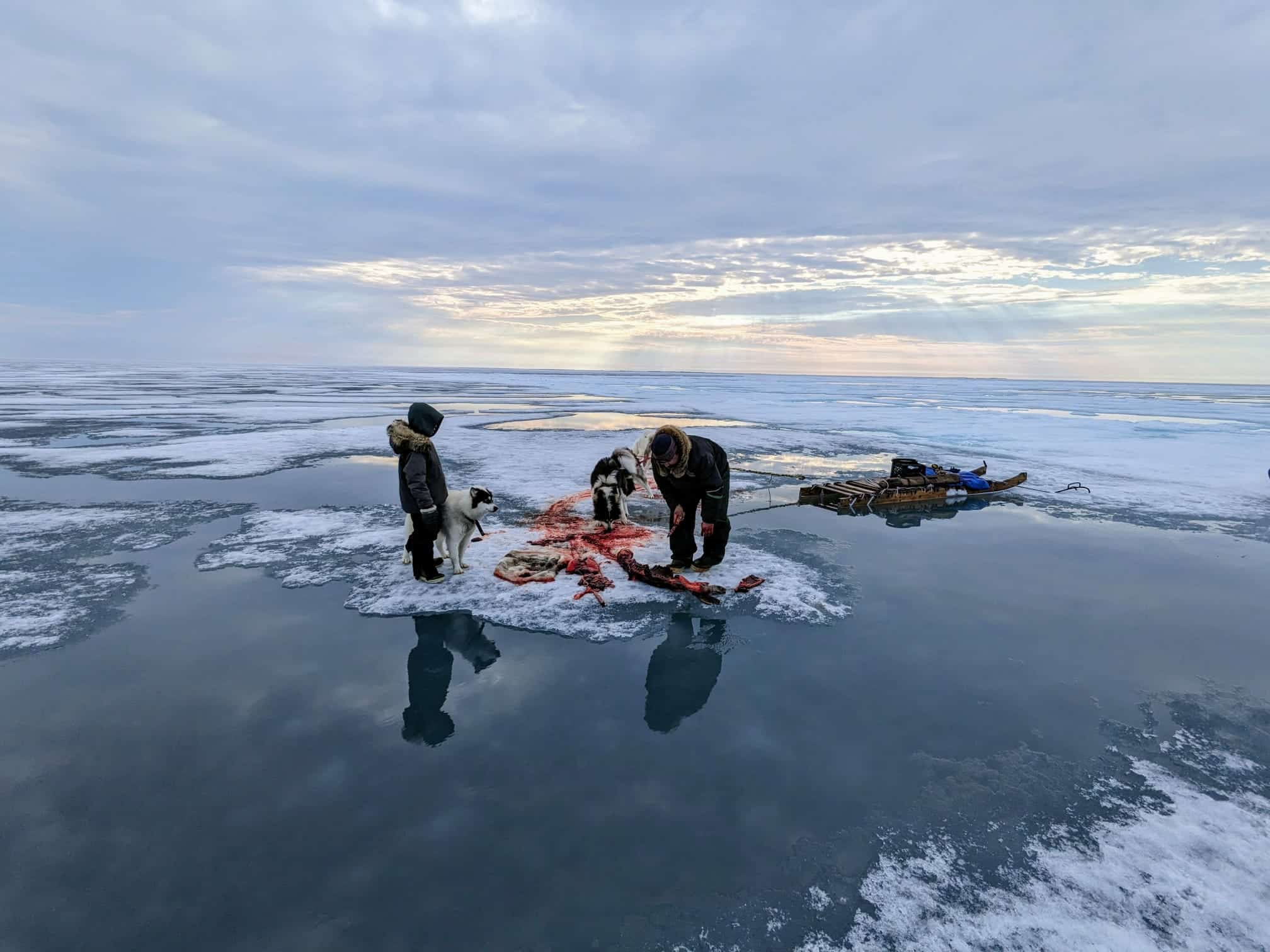
For our Northern Team, the intention of the Elders Gathering was to explore what conservation or stewardship means from an Inuit perspective. And in the process, we found ourselves leaning more towards the word stewardship, given the history of conservation and its lack of significance to Inuit.
I’ve been working with MakeWay since 2019, and what drew me to the organization’s work was its focus on culture, communities, and local leadership. During my first year, as I was learning about philanthropy, there was this word that kept coming up, and it was conservation.
But what’s conservation? It’s not a word or concept that I was familiar with, and not something that I grew up with.
One of the things I learned was that the Western concept of conservation is very much connected to the principles of the European Enlightenment. There was this idea that humans could understand, classify, and control nature, and that nature was something to be conquered and managed.
Conservation emerged, in part, because the British Empire was depleting the natural resources of its colonies at such a rate that they could no longer replenish themselves. Conservation emerged not out of love and reverence for the land, waters, and animals, but out of a need to protect them from the harms caused by people. For the colonized, conservation has a negative history attached to it. It has been used as a means to separate and control.
For Inuit, that has included the imposition of hunting regulations that did not reflect our harvesting practices, including restrictions on migratory birds and the prohibition of hunting bowhead whales. International campaigns against seal hunting also had devastating consequences for Inuit livelihoods, contributing to the collapse of sealskin markets that many families depended on.
I recognize that there are new ways of doing conservation today, and that conservation isn’t done the same way it was before, which is good. There’s been improvement.
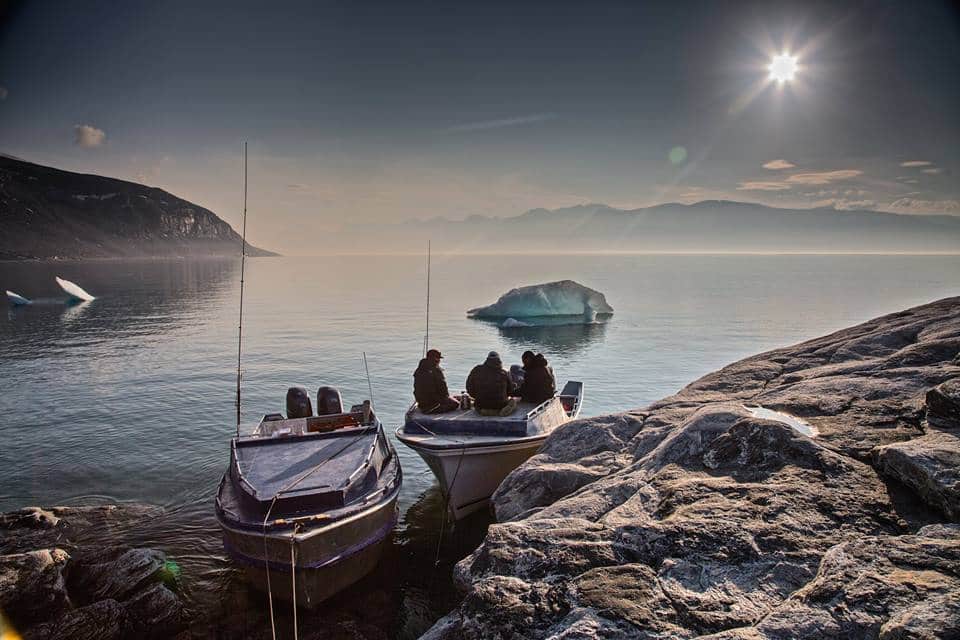
But I also recognize that the concept of conservation did not emerge from an Inuit worldview. We don’t even have an Inuktitut word for conservation because we didn’t need one. We didn’t need to protect our environment from ourselves. Instead, the environment is seen as an extension of us, one of our relations.
When I talk to Joe Karetak about conservation, a word he prefers is stewardship. And one of the first things he taught me was that we can’t control nature. There’s very little that we can control. Sila isumataujuq. The environment is the boss. The weather is the boss.
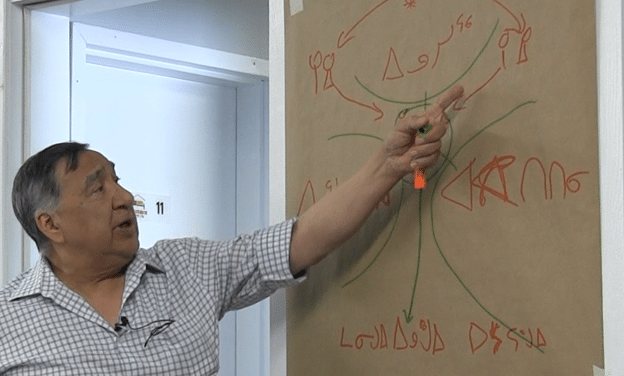
At our elders gathering, he also taught us that systems are interconnected and resistant to fragmentation. Oftentimes, when we try to separate elements, they lose their power. These are distinctly different principles from those of classifying and controlling nature.
A concept that was introduced by Tunaalaaq Gibbons during the gathering was avatimi kamatsiarniq. This concept often gets translated into English as environmental stewardship, but Tunaalaaq explained to us that avati means so much more than environment. Tukinga angijugjuatsiamia. Its meaning is great and significant.
When we’re talking about avati, it includes yourself, your family, your community, your neighbouring communities, land, water, sky, animals, beings, non-living things, and the universe.
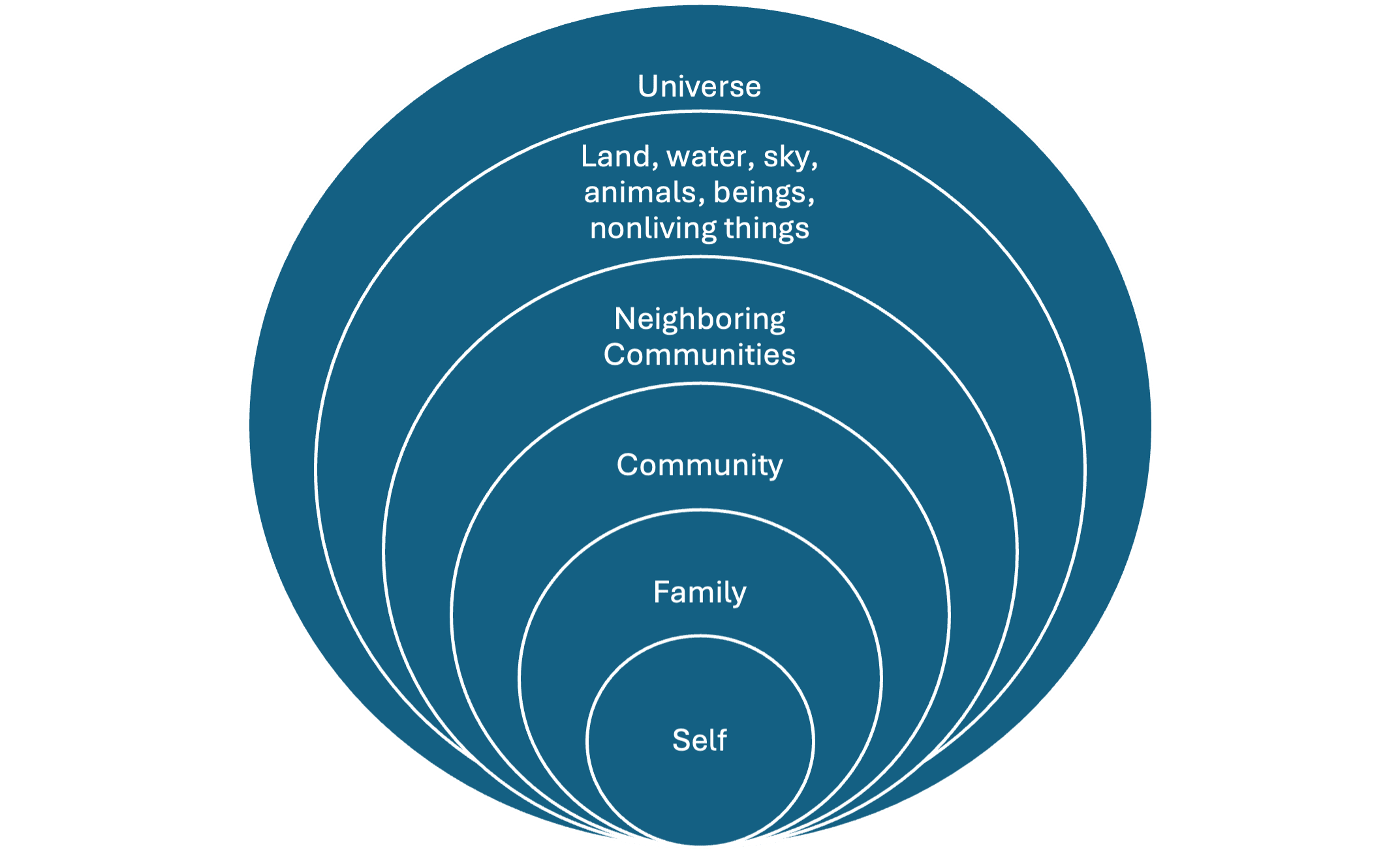
And in fact, your first environment is your mother’s womb. So, your avati encompasses everything from the micro to the macro. And avatimi kamatsiarniq means to be in right relations with all these elements.
The framework we talked about for avatimi kamatsiarniq includes principles, protocols, taboos, skill building, preparedness, awareness, childrearing, and leadership. These are the elements that ensure you remain in right relations with your avati. And this framework is also what ensures that these teachings and responsibilities are passed on to other generations.
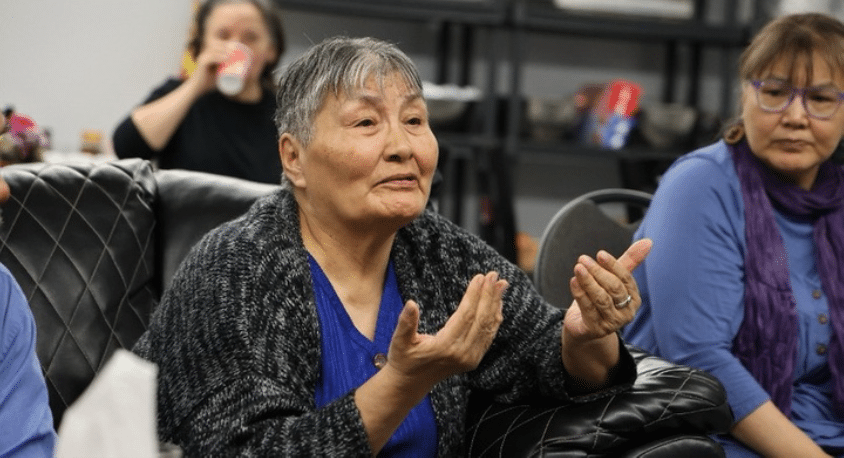
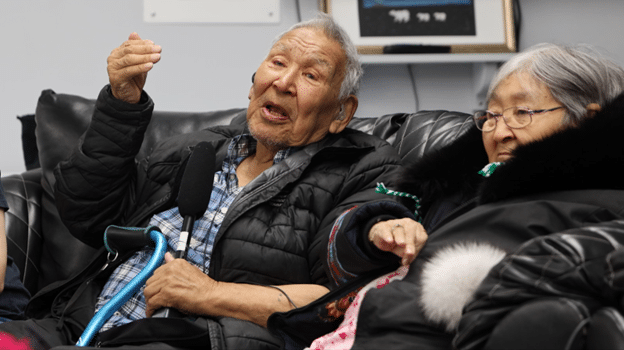
The Inuit Stewardship Elders Gathering was an opportunity to explore these ideas with Inuit Elders and to better understand what stewardship means from an Inuit perspective.
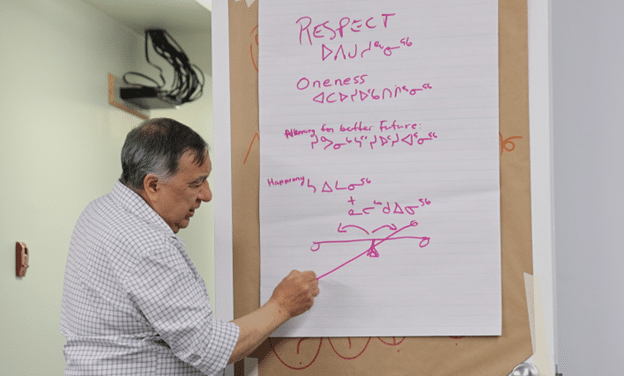
For us at MakeWay, we’ve long recognized that conservation doesn’t align neatly within an Inuit context, but exploring avatimi kamatsiarniq has helped us better understand and articulate what a holistic approach to stewardship can look like.
As we move forward, our northern team will to carry these teachings into our work and take a more fulsome approach to supporting Inuit communities, one that recognizes interconnectedness of our environment, families, communities and ways of life.
The Inuit Stewardship Elders Gathering Report expands on what stewardship means to Inuit and shares the knowledge and perspectives brought forward by Elders during the gathering.
I’m grateful to the Elders who shared their knowledge and experiences, and to Joe Karetak and Qaujigiartiit Health Research Centre for their leadership in this work.
I invite you to read the report and learn more about Inuit stewardship.