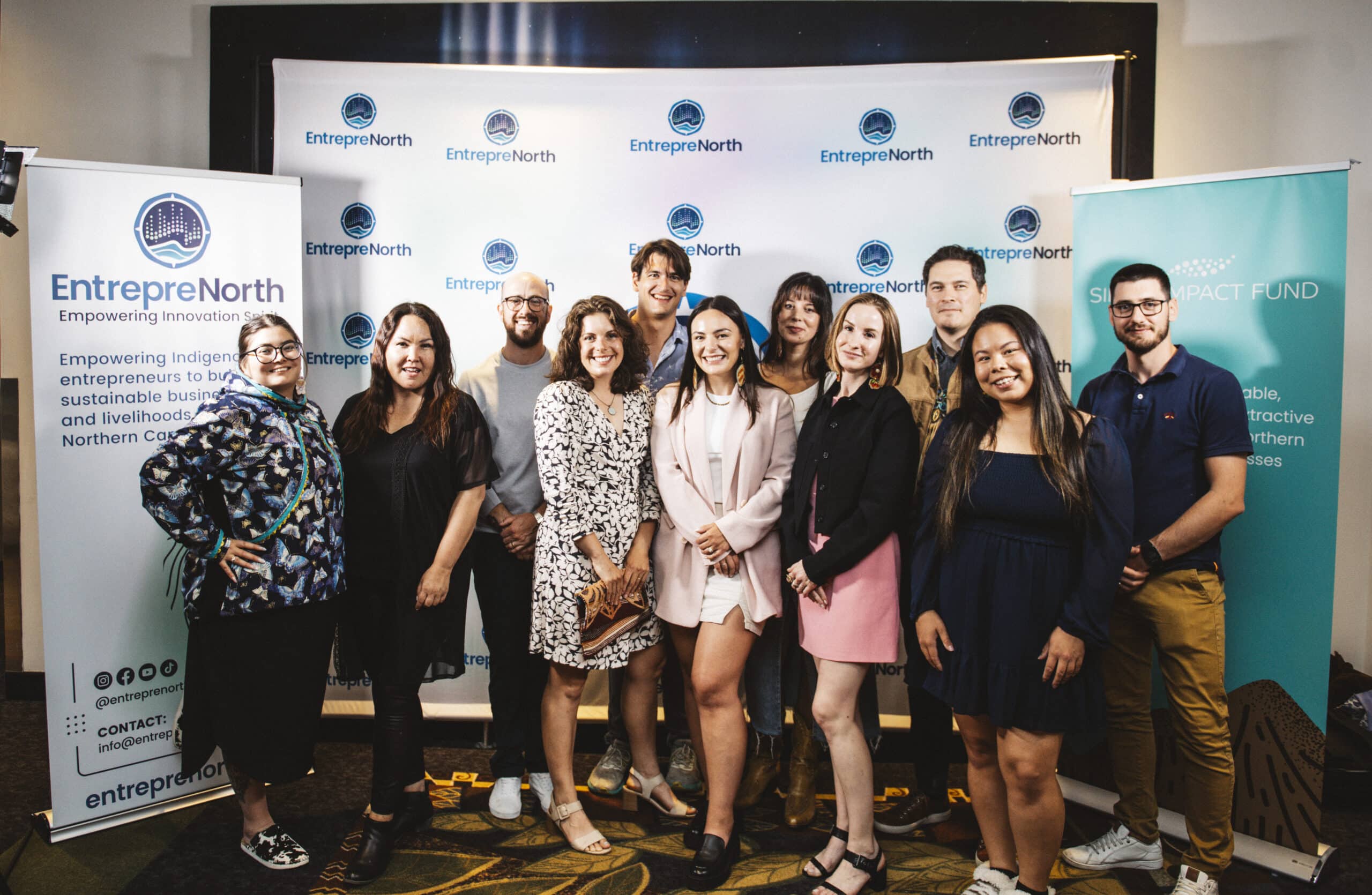
EntrepreNorth was born out of the need for more culturally-relevant services and supports for Northern Indigenous entrepreneurs. They exist to empower a growing movement of Northern leaders who are building businesses rooted in who they are and where they come from.
The initiative champions Indigenous innovation guided by identity, community wellbeing, and responsibility to the land. Their work strengthens economic resilience across Northern Canada while walking alongside entrepreneurs as they build sustainable livelihoods. By blending practical business education and financial practices with Indigenous knowledge systems, EntrepreNorth creates culturally grounded pathways that open new opportunities and support entrepreneurs throughout their journey.
Incubated as a project on MakeWay’s Shared Platform, EntrepreNorth formally launched in 2018. After many years of working together, the project is ready to start an exciting new chapter: transitioning off the shared platform and becoming its own, autonomous organization. MakeWay joins EntrepreNorth in celebrating this next phase. We are grateful for our long partnership and excited to discover new spaces for collaboration.
EntrepreNorth’s story features a wide variety of innovators, mentors, knowledge holders, funders, and allies who all share a passion for building sustainable economies across the North and who have helped make the organization the success it is today.
“Discovering A True Northern Economy”
“It was Kunuk Inutiq and Steve Ellis who really seeded this vision for a program that would uplift entrepreneurs with incubation support and prove that Northern Indigenous enterprises can deliver social and economic benefits to their communities,” Xina Cowan recalls. Xina is the CEO of EntrepreNorth’s new charitable entity, which she co-founded with Benjamin Scott (Ben) and Kristin Richard. “From there, Ben was brought on to lead foundational design thinking workshops with incredible folks from across the North. He became EntrepreNorth’s Founding Project Director in 2018.” Ben and Xina co-led the project from 2022-2026, and Xina is now stewarding EntrepreNorth’s vision into its next season with its new Board of Directors.
Before initiatives like EntrepreNorth, there was a noticeable gap in services and supports for Northern entrepreneurs, particularly Indigenous entrepreneurs who live in rural or remote areas. “It was important to have a project like this succeed,” says Xina. “Down South, there are so many incubators and accelerators available to entrepreneurs. But there wasn’t much in the North, especially ones that are culturally rooted and specifically centred around asset building for Indigenous entrepreneurs. That’s where we aimed to address that gap.”
The early ideas for the project came out of the collaborative work of Inuit advocate and legal scholar, Kunuk Inutiq, and MakeWay’s Northern Program Lead, Steve Ellis. The two co-authored Discovering a True Northern Economy, a paper that initiated the idea for EntrepreNorth as well as secured its early funding.
“The initial work was really just to go around and talk to a variety of different actors in the space of economic development and sustainable livelihoods,” Steve shares. “Talk about what the current programs and services were, and where there might be a role for philanthropic investment and charitable activity.”
Results showed that, while there were some programs in the North that supported entrepreneurs and small businesses, they mainly reached non-Indigenous participants living in urban centres like Yellowknife or Whitehorse. These programs were also ineffective in attracting and retaining folks from rural and remote Indigenous communities.
“A lot of these programs are run from a very Eurocentric perspective on business and value. And they tend to attract people with similar perspectives and expectations,” he explains. For example, many Indigenous entrepreneurs that he spoke with were not as driven by profit or wealth as existing business programs would assume. Respondents named things like economic independence, the ability to employ family, and the means to meaningfully contribute to their communities as major motivators for building their business. “I think a lot of the problem with a Western business model is that it just doesn’t fit with what many Indigenous entrepreneurs care about.”
The aim of Discovering a True Northern Economy was not only to explore the gaps in existing programming. Kunuk and Steve’s work looked at solutions: potential ways small scale Indigenous entrepreneurs could be reached. It also laid out evaluation metrics to help better understand what worked and what didn’t.
“It unfolded quite organically, and the idea around the paper was kind of like a foundation. That was the main document that we used to build partnerships and secure funding. It formed a blueprint for EntrepreNorth’s work.”
Intention, Collaboration And Learning: The Process Of Designing EntrepreNorth
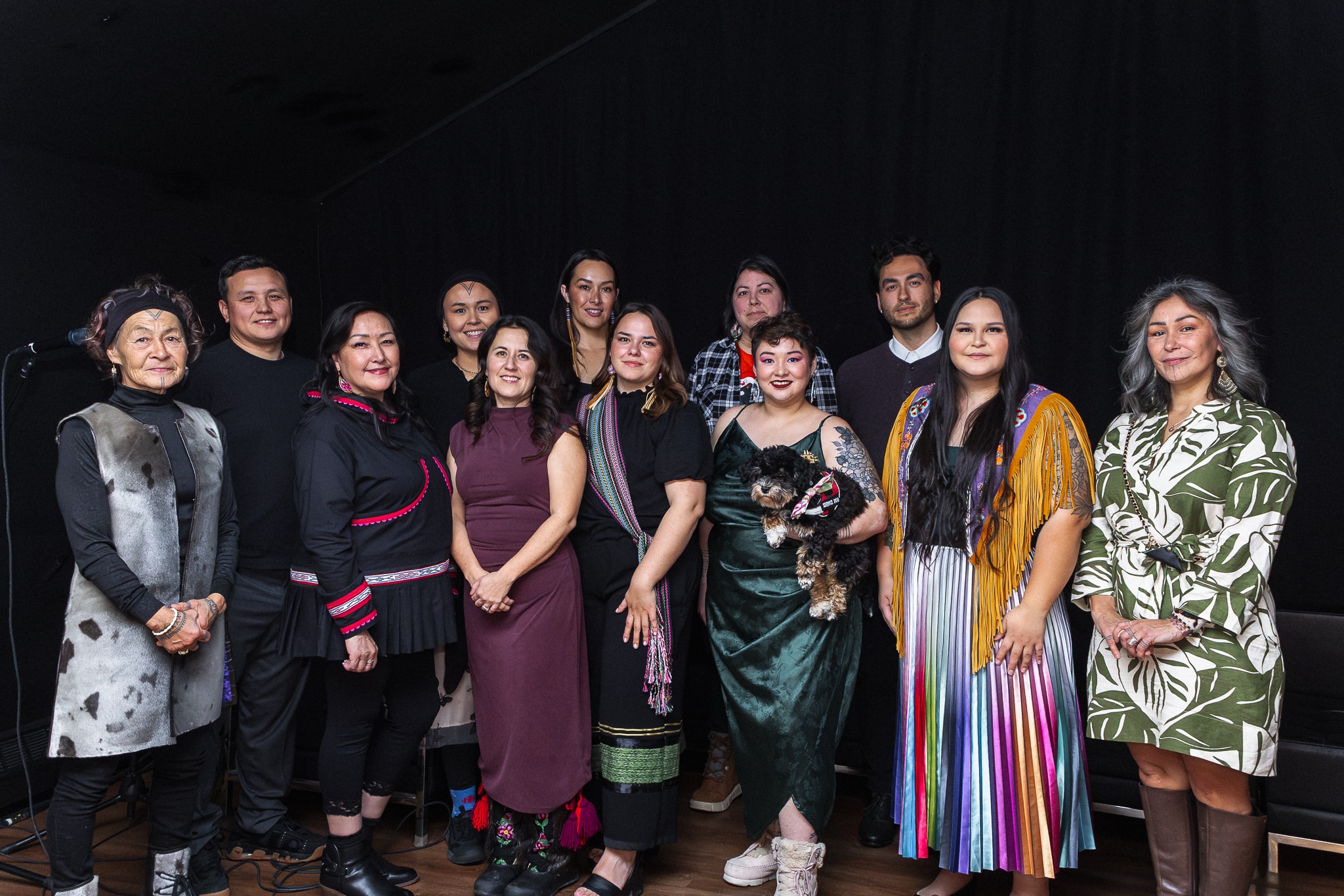
With a strong foundation and clearer path forward, there was a readiness to begin designing a program that could meet more of the needs of Northern and Indigenous entrepreneurs. Steve and Kunuk connected with Benjamin Scott with the hopes that he could bring his business knowledge and Northern lived experience to facilitate some of the first design meetings for what is now EntrepreNorth. Ben is a proud member of the Tłı̨chǫ Nation and holds an MBA in Indigenous Business Leadership.
The team began reaching out to entrepreneurs in communities across the North, asking them to bring their knowledge and input to these initial program design meetings. Emma Kreuger was one of those people. At the time, Emma was providing administrative business support for her partner, who made traditional Inuit knives, and her friend, a talented seamstress. “Somebody from MakeWay reached out to see if anyone on our team would be interested in participating in the initial design meeting for what became EntrepreNorth,” she recalls, “They were looking for small businesses to provide input, and it seemed like a good fit.”
Emma described the design meeting as an exciting opportunity to connect and share ideas with other entrepreneurs and see the “behind-the-scenes” of how programs like these are created. In May 2020, after an intentional and collaborative design process, EntrepreNorth was eventually ready to launch and begin accepting applications for its very first cohort – which Emma and her partner were able to be a part of.
“I’ve worked for two other programs like this, but those ones were much more short term and for people who don’t necessarily have a business yet,” she explains, “EntrepreNorth was way more involved, very supportive, and ran for a lot longer. It felt next level to me. It was really cool to see a Northern base and focus, with a priority for Indigenous-led businesses.”
A New Era
Since it launched its first cohort in 2020, EntrepreNorth has continued to grow and has offered training and support to over hundreds of entrepreneurs across the North. As they step into this new era, there are many exciting things on the horizon.
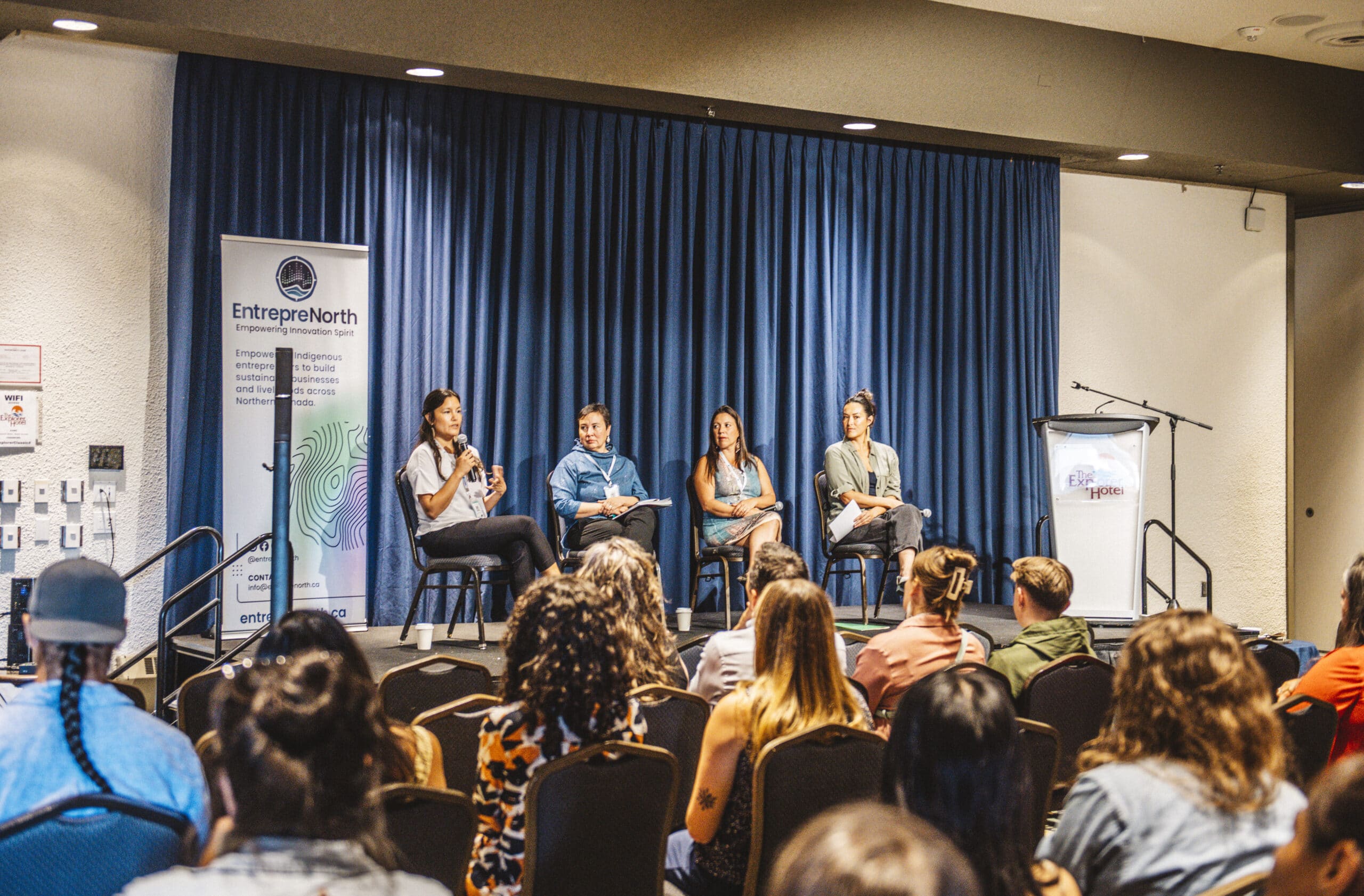
The project hosted the Empowering Innovation Spirit Conference in the fall, a gathering that brought together Indigenous entrepreneurs, innovators, youth leaders, policy-makers, funders, and allies from across Northern Canada, the Circumpolar Arctic, and beyond. It combined immersive cultural programming, keynote talks, expert panels, and hands-on workshops. The conference’s initial success means that it will be returning again in August 2026 in Whitehorse, Yukon, creating yet another space to spark connection, share knowledge, and co-create pathways toward thriving Northern futures.
In the coming year, EntrepreNorth will also be launching its Sinew Impact Fund, expanding its programming across the North, and deepening its partnerships with funders who are invested in long-term systems change.
As Xina reflects on EntrepreNorth’s journey, she’s left with gratitude for all the people who made this work possible. “I think everybody who has contributed to this vision has a deeper commitment to seeing Indigenous communities thriving in the North, thriving through self-determination. Many people who attended those original design thinking sessions are still active members of our network today. EntrepreNorth exists because of many people’s brilliance.”
To learn more about EntrepreNorth, or to support their meaningful work, visit their website.