By Emily Ross, To Swim and Speak With Salmon
This blog was originally published by To Swim and Speak With Salmon, a project on MakeWay’s shared platform. Through conversations about environmental personhood, Emily Ross invites us to rethink relationships with land and water and consider governance approaches rooted in care, responsibility, and long-term ecological health.
As conversations about environmental personhood emerge in the Yukon, how can we rethink our relationships with rivers, salmon, and the lands and waters to which we belong?
On June 24th, 2024, the heap leach facility at Eagle Gold Mine failed, releasing approximately 300,000 cubic metres of cyanide-contaminated water into Haggart Creek and the surrounding watershed. Nearly two years later, we continue to reckon with ongoing consequences of this disaster. In its wake, many questions of remediation, accountability, and regulatory oversight remain unresolved, and the impacts on lands and waters downstream will continue to be felt for years to come. The story of Eagle Gold has brought into sharper focus the ways in which water connects us — how it binds places, people, and more-than-human communities in a network of inseparable relationships that extend far beyond the moment of any single disturbance.
The Yukon River is one expression of these relationships.
Stretching more than 3,000 kilometres from its headwaters to the Bering Sea, it has nourished families, shaped travel routes, carried knowledge, and sustained human and more-than-human life since time immemorial. But despite the central role that the Yukon River holds in the lives of everyone in our territory, dominant approaches to governance and development often reduce it to a resource or infrastructure, to a site of recreation or an economic asset. In the process, the river becomes something to be managed and taken from, rather than a living participant in the life of this place.
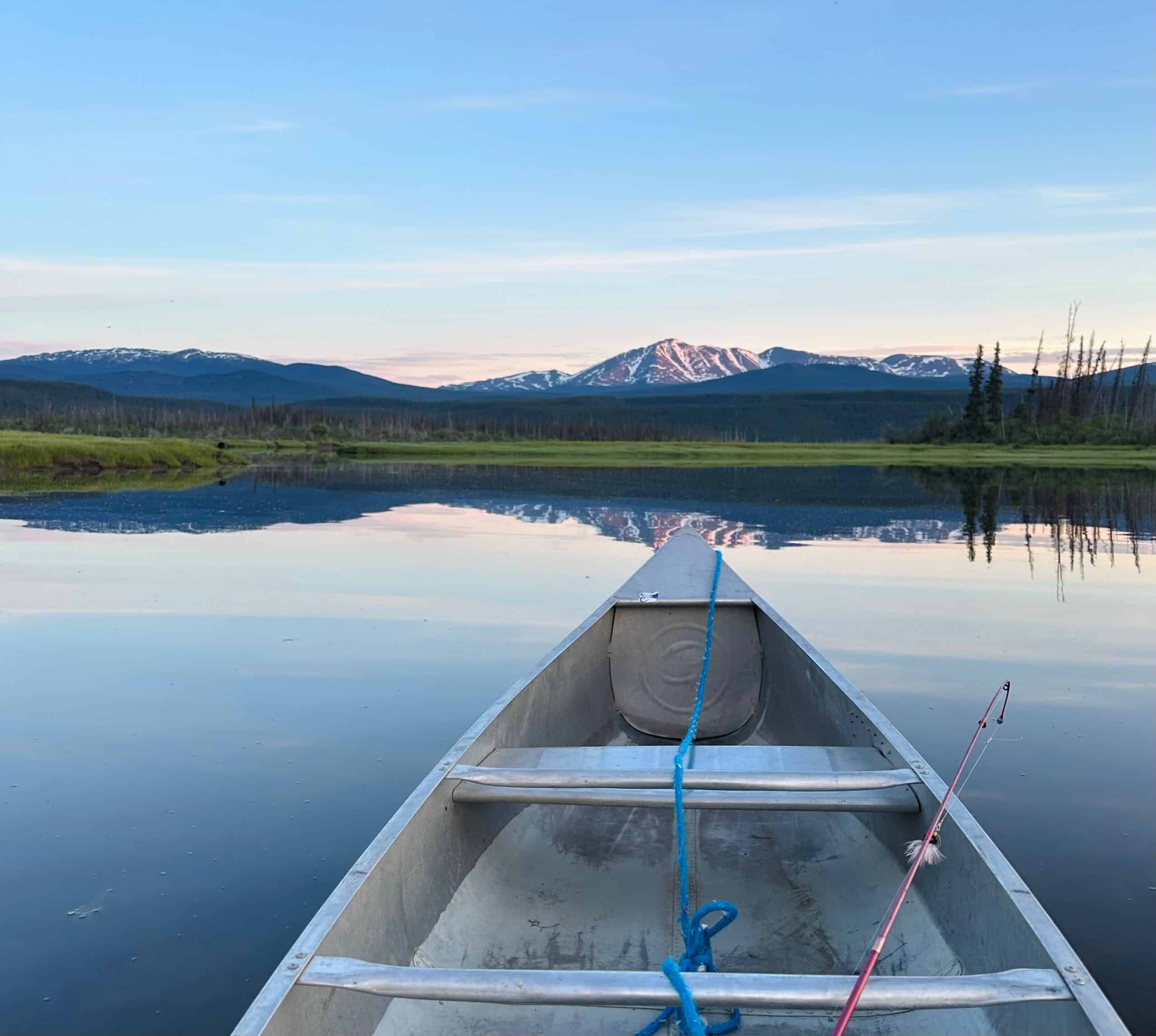
What would change if we stopped asking how the river can be managed or used, and started asking what we owe it?
Across the world, knowledges and relationships that Indigenous peoples have held since time immemorial are finding new expression within contemporary legal systems. In 2016, the Atrato River in Colombia was recognized as a legal subject whose interests could be represented and defended through appointed guardians. In Aotearoa (New Zealand), following generations of advocacy by Māori communities and the establishment of the Te Awa Tupua Act in 2017, the Whanganui River was recognized as a legal person. More recently, in Quebec, a joint declaration by the Innu Council of Ekuanitshit and the Minganie Regional County Municipality recognized Mutehekau Shipu, known in English as the Magpie River, as a legal person and affirmed a series of rights–including the right to flow, the right to maintain biodiversity, and the right to be free from pollution. While these initiatives vary in their approaches and legal contexts, they are united by an understanding that dominant Western frameworks have often positioned humans as separate from “nature” —ultimately disrupting our relationships with the land and water.
Asking ourselves “What would change if the river was a person with rights?” is a starting point for thinking about how we can rebuild them.
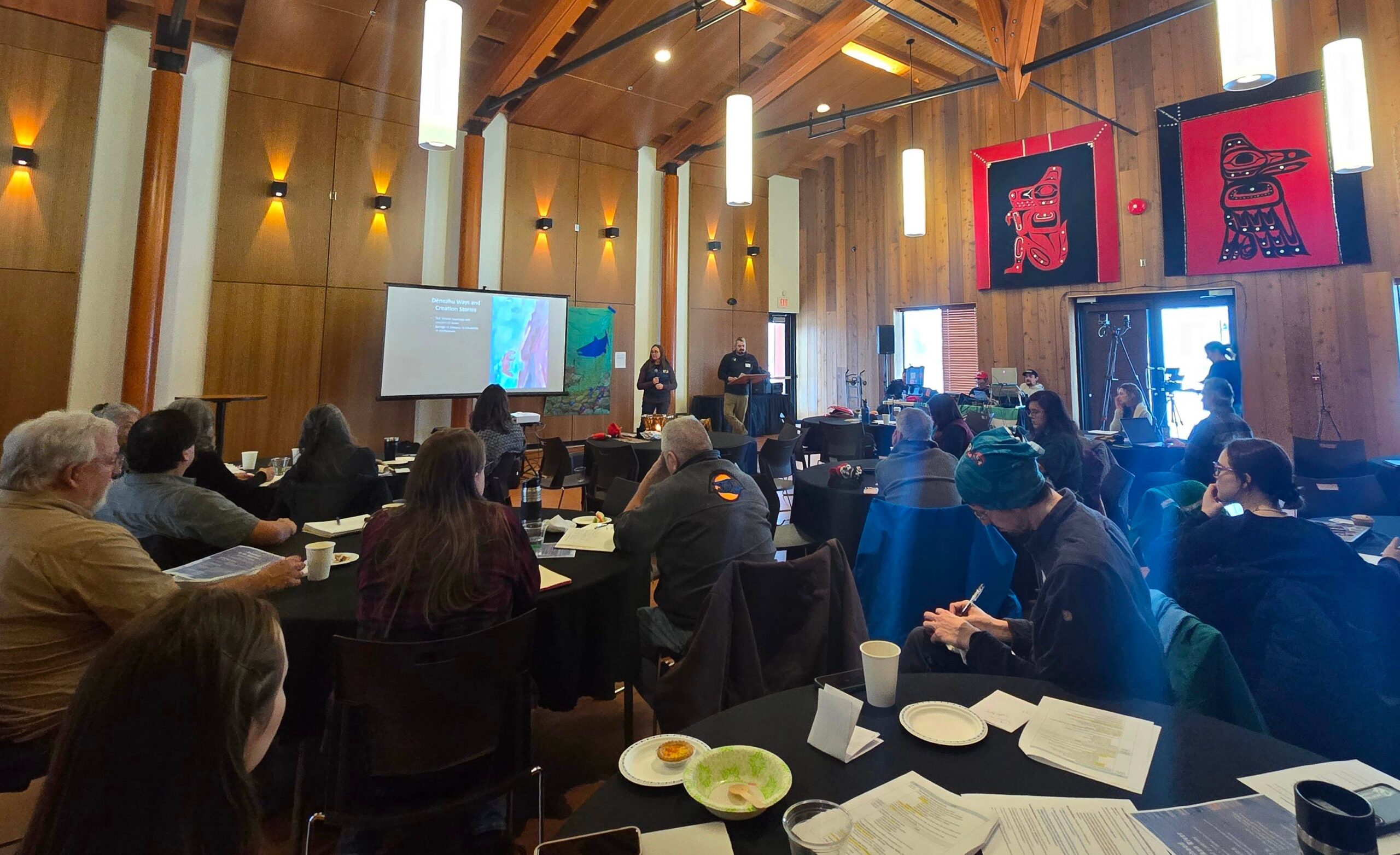
Here in the Yukon, conversations about personhood for the Yukon River and other more-than-human beings have become increasingly prominent in community discussions, media coverage, and declarations from both political parties and Indigenous governments. To support these conversations, on March 3rd, To Swim and Speak with Salmon, the Council of Yukon First Nations, and the Tr’ondëk Hwëch’in Government co-hosted a workshop on personhood for the Yukon River, bringing together community members, Elders, youth, legal experts, and leaders from across the territory to explore what these ideas could mean in our context. Discussions ranged from Indigenous law and legal personhood frameworks from around the world, to questions of guardianship, governance, and how recognition of river rights might help strengthen our collective responsibilities to the Yukon River.
Environmental personhood also opens up possibilities that extend beyond law and policy.
These conversations ask us to consider not only whether a river can and should be recognized as a person, but whether the frameworks through which many of us have been taught to understand the world–as resources we can use, property we can own, commodities we can trade–are capable of holding our relationships with the waters that give us life. Perhaps most importantly, it invites us to think beyond what is and toward what could be. What would change if the Yukon River was understood not as a resource, but as a living being with its own rights, interests, and responsibilities? How might our decisions about mining and resource extraction change if the rights of rivers, the rights of caribou, and the rights of salmon were held above all else? What new forms of governance, stewardship, and accountability might become possible if we begin from the understanding that our wellbeing is inseparable from the wellbeing of the watersheds that sustain us?
Environmental personhood offers an opening — a chance to reconsider how we make decisions, how we define wealth, and how we understand prosperity.
The questions it raises are not small ones, nor are the changes they ask of us. These kinds of transformations in our relationships and our systems can feel uncertain and unsettling. Yet the river and the salmon are no strangers to transformation. The river is always in motion, connecting us across places and time, reshaping itself as it sustains worlds. Salmon, too, are transformed through their journey–in a cycle of return to nourish the streams, forests, and future generations that depend on them. Even in the face of events like the Eagle Gold Mine failure, climate change, and a rapidly shifting world, the river continues to flow and the salmon continue to find their way home. With them as our teachers, perhaps we can be brave enough to walk the path that transforms us.
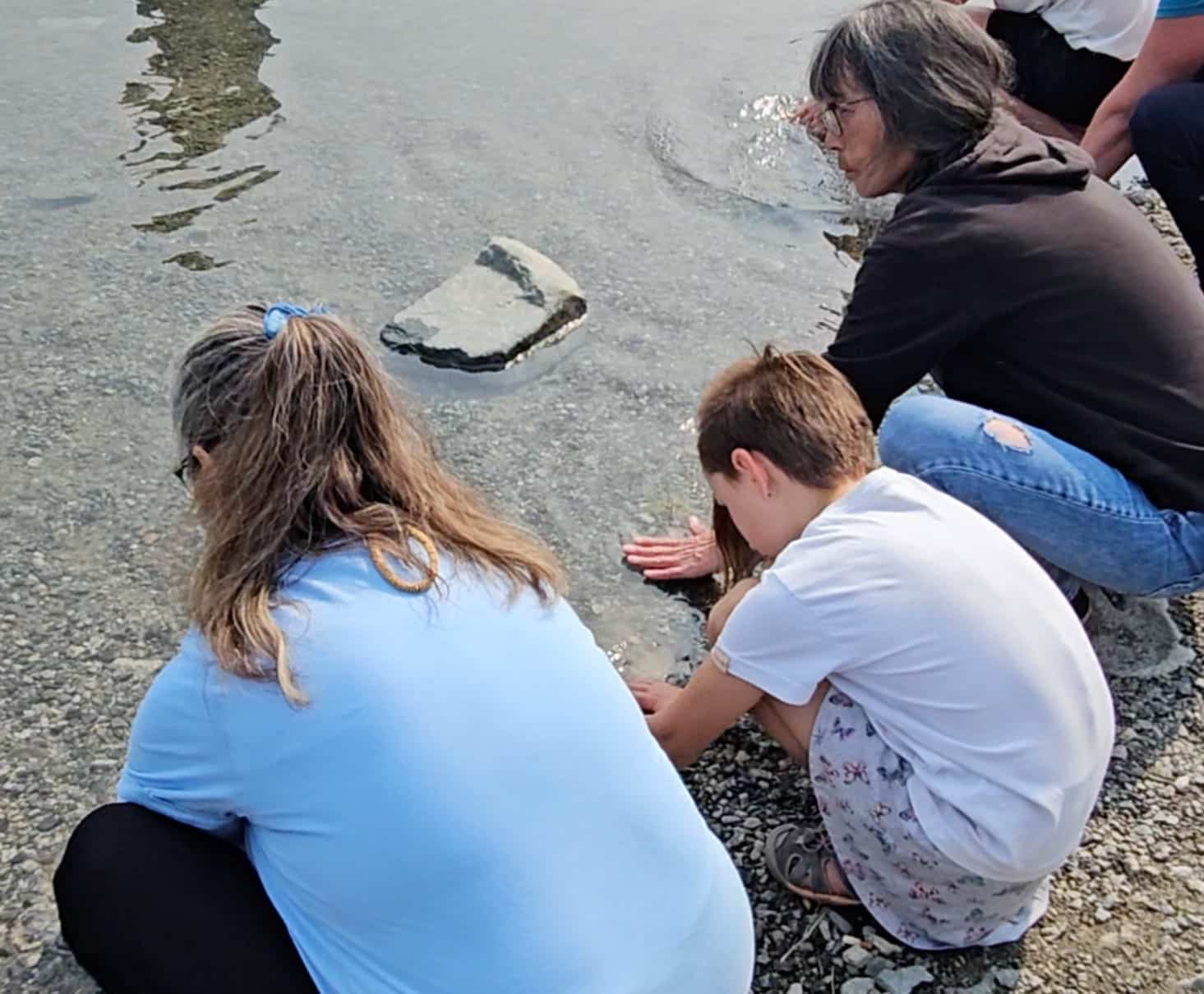
If you have thoughts on any of the questions raised in this piece, we would love to hear from you.
How do you connect with water and salmon? What gives you hope for the future of the Yukon River? What do you think the river asks of us? Please don’t hesitate to reach out and share your reflections with us at swimandspeakwithsalmon@gmail.com
About the Author
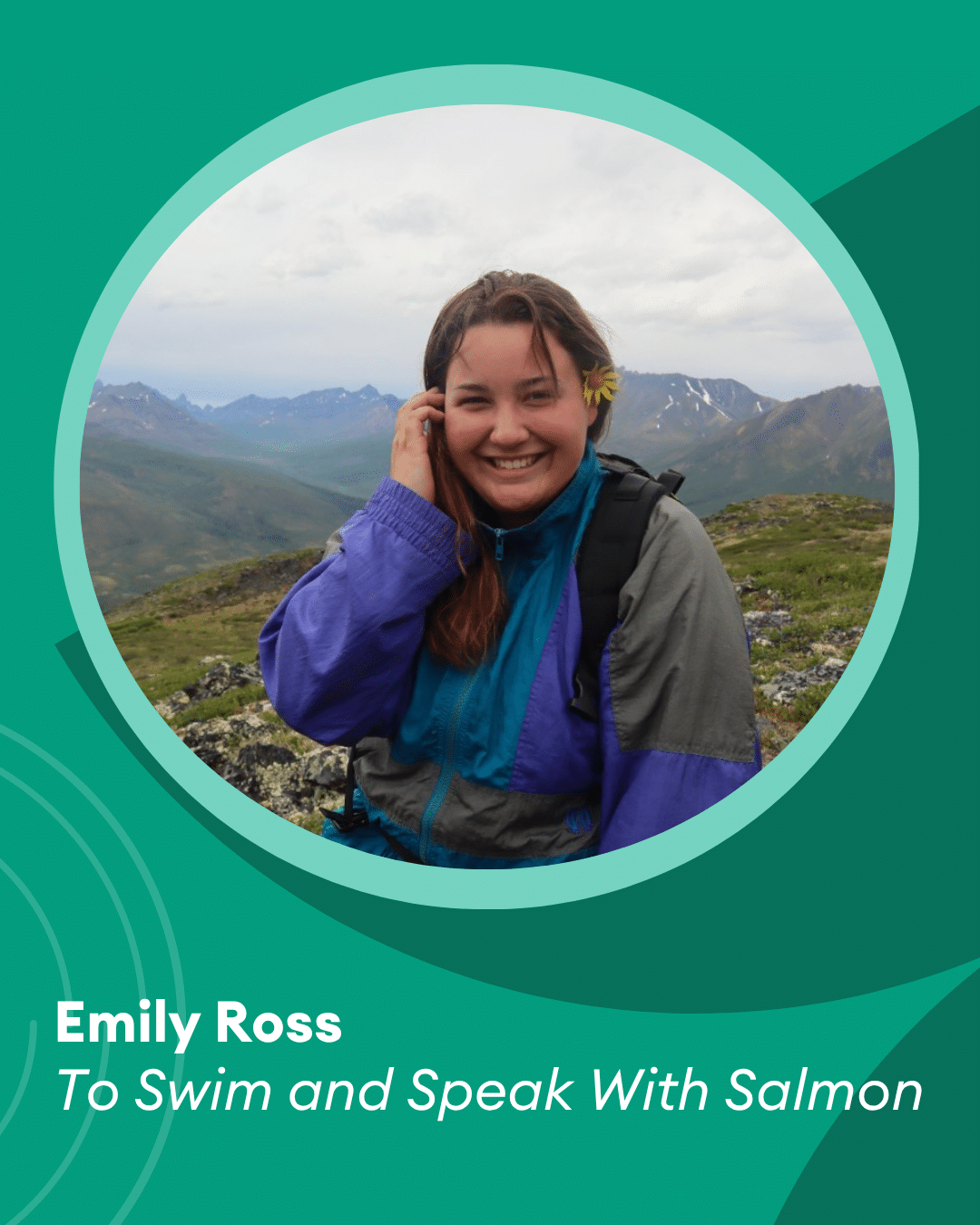 Emily Ross is a Young Leader of To Swim and Speak with Salmon. She is a settler of British, Danish, and Dutch descent who was born and raised on the traditional territories of the Kwanlin Dün Firs Nations and Ta’anKwäch’än Council. She is passionate about education that helps people build deeper relationships with the land and one another as a foundation for justice, care, and reimagining how we live together. This passion informs her exploration of the role and responsibility non-Indigenous people have in supporting the cultivation of decolonial futures.
To Swim and Speak with Salmon is a project on MakeWay’s Shared Platform. The project supports Indigenous-led conservation by equipping Indigenous youth in the North with the knowledge and skills to lead, steward, and advocate for their lands, waters, and communities. Consider donating to support this initiative.