A New Tool for Evaluating Indigenous Conservation Legal Pathways

Indigenous communities in the Northwest Territories are leading some of the most ambitious conservation efforts on the planet. Just look at NWT: Our Land for the Future—an innovative $375 million funding partnership for Indigenous-led conservation—or at projects like Thaidene Nëné, a 6.5 million-acre protected area rooted in Dene Law. More than 20 Indigenous governments across the territory […]
Righting philanthropy’s power imbalances: Right Relations Collaborative releases inaugural Reciprocity Report
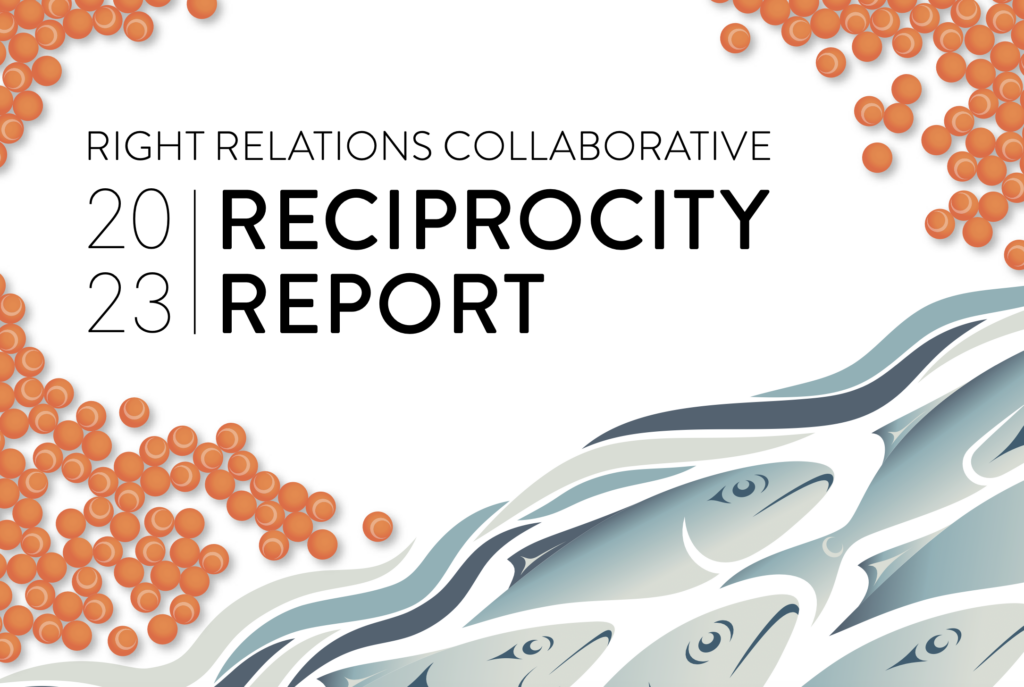
The Right Relations Collaborative is one of the most inspiring examples of what philanthropy can look like when it leans wholeheartedly and unreservedly into the transformative work of learning, unlearning, and finding respectful ways to support systematically oppressed groups—MakeWay is honoured to be a part of this work. The Collaborative invites funders to apply to an […]
Federal budget reflections: increased reporting requirements

By Todd Jaques, Director of Policy and Research For this third installment of federal budget reflections, we’re looking at increased reporting requirements. Of the three changes for charities included in the budget, this one offers the least detail, mentioned only in the section about the disbursement quota. Here’s what the budget has to say: The […]
Federal budget reflections: non-qualified donees

By Todd Jaques, Director of Policy and Research Last week, we looked at the federal budget’s proposed changes to the disbursement quota. Today, we’ll have a look at another change for the charitable sector that would allow charities to provide funding to non-charities, a diverse group generally referred to as non-qualified donees. It’s a bit […]
Federal budget reflections: the disbursement quota

By Todd Jaques, Director of Policy and Research Last week’s federal budget included a few hot topics for the philanthropic sector, if not the charitable sector more broadly, including an increase to the disbursement quota, changes to how charities can work with non-qualified donees, and some new reporting and transparency requirements. Over the next few blog […]
A Council of Indigenous Aunties is shifting the power of conventional philanthropy. Here’s how.

How can we centre Indigenous community voices and help set a table for just and equitable relationships in philanthropy? How can the philanthropic community work together to address institutional barriers to funding restorative and regenerative work of Indigenous community-based organizations? These are some of the central questions the Right Relations Collaborative is seeking to answer. […]
Moving toward a regenerative economy: MakeWay team member Kim Hardy joins Integrated Capital Institute as a Fellow

Kim Hardy is Pacific Program Lead at MakeWay – she works with funders, changemakers, and innovators to amplify community driven solutions across British Columbia. Currently, Kim is a Fellow at Integrated Capital Institute, hosted by RSF Social Finance, where financial activists are leveraging capital as a tool for positive change. The curriculum is grounded in […]
MakeWay shared platform projects are building a Just Recovery for all

When the onset of the global pandemic forced us to pause, deep inequalities in Canada and around the world were exposed. In the face of Covid-19, it is impossible to ignore longstanding systemic injustices. 73% of Canadians expect a “broad transformation” of society as we emerge from the pandemic.
Emotional health and well-being grant shows potential for sector transformation

[vc_row][vc_column][vc_column_text text_larger=”no”]Over the past few years, mental and emotional health and well-being discussions have greatly increased in Canada. Additional support and resources have also been made more readily available. Still, one necessary part of daily life for many Canadians remains a significant mental health factor —work. The Mental Health Commission of Canada states that psychological […]
United Nations Sustainable Development Goals: Tides Canada aligns impact with the UN’s global campaign for a better future
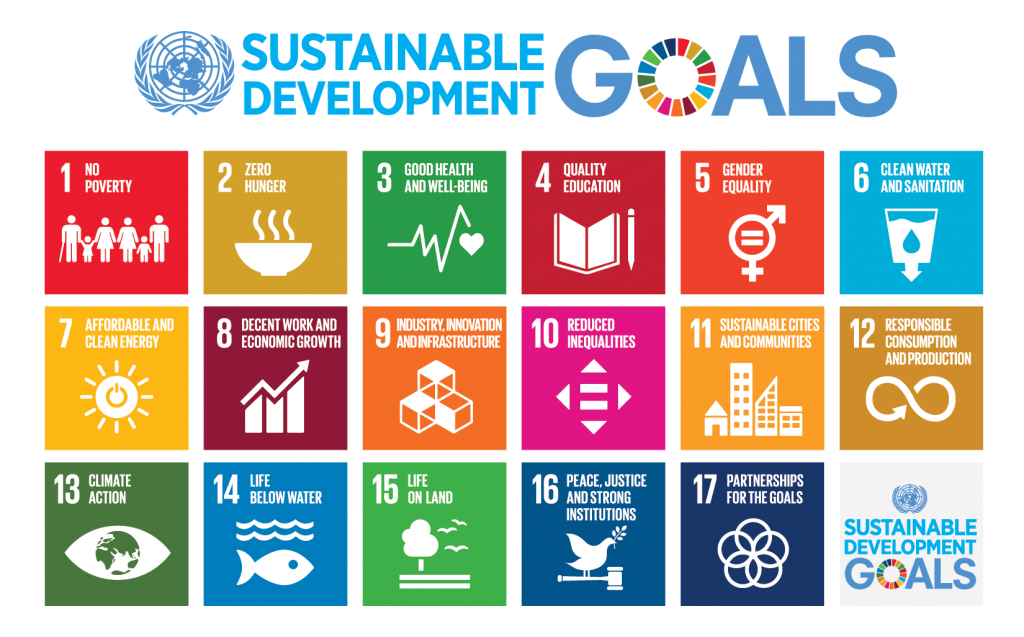
The United Nations and its state members have long been coming together to create plans for a better future. Since Agenda 21 in 1992, these plans have adapted to meet the ongoing changes to our world. Likewise, in 2015, building off the Millennium Development Goals (which had striven to reduce extreme poverty by 2015), the […]
Frogs, Feminism and Factories: Can we build a just conservation economy?
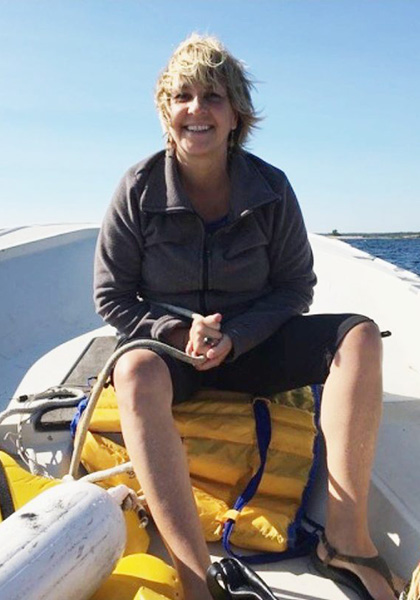
Last month, Tides Canada’s CEO, Joanna Kerr gave a speech to a group of environmental funders asking this provocative question. Read on to understand her take on how we best achieve environmental, economic and social goals simultaneously.
NetPositive: reimagining resource development for local prosperity and sustainability

NetPositive is one of the newest projects on Tides Canada’s shared platform. We recently interviewed Project Co-Director Jane Church to talk about how NetPositive is working to reimagine resource development so that local communities see positive benefits and social change now and into the future.
Driving social change and empowering the sector with data

We sat down with Michael Lenczner, Project Director of Powered by Data, to chat about their upcoming conference Transform the Sector and opportunities and challenges for data in the Canadian social sector.
Rainforest Solutions Project wins prestigious Fuller Challenge for Great Bear Rainforest conservation

Tides Canada project Rainforest Solutions Project is the recipient of the prestigious 2016 Fuller Challenge from the Buckminster Fuller Institute. The Challenge awards $100,000 for work that pushes the boundaries of socially-responsible design thinking and considers ecological, economic, and social impacts.
Sharing impact for a different level of donor engagement

As charities seek to grow and build philanthropic support, donors are becoming more discerning than ever and are asking tougher questions related to a charity’s performance and effectiveness in achieving its goals. Done correctly, sharing stories of impact can demonstrate successes, while describing what a charity does and what differentiates them from other charities.
Trends in corporate fundraising

What motivates a corporate donor can be very different from what motivates an individual donor. This is an important consideration that needs to be taken into account when building a relationship with a corporate prospect.
Baffin to BC: shared learning between two coasts
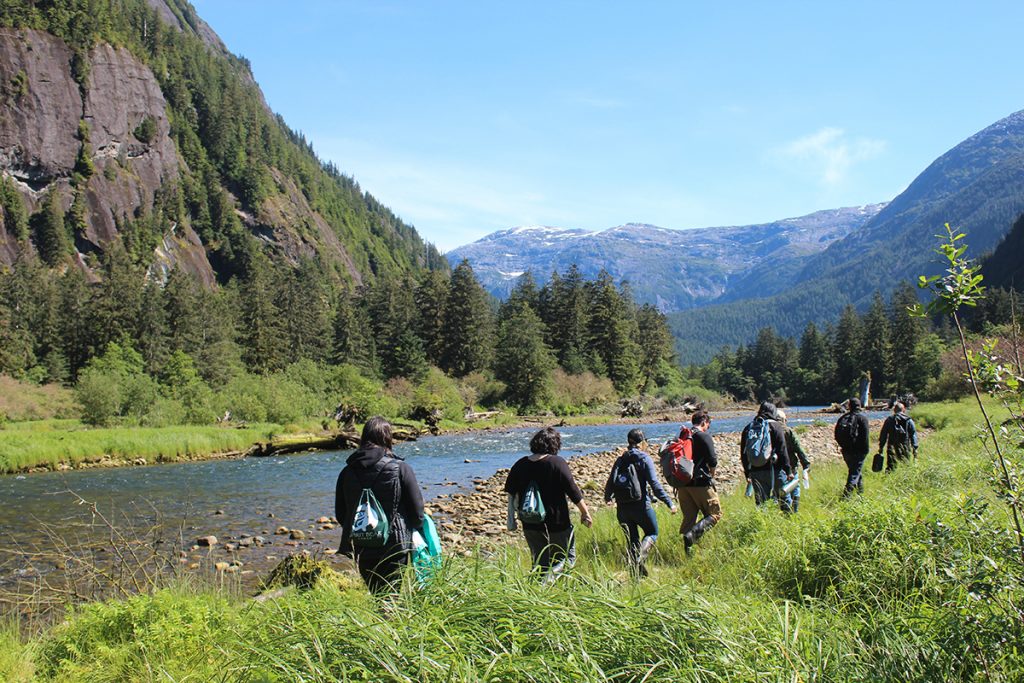
We recently invited our partners from Inuit Nunangat to meet our partners in Klemtu and Bella Bella, British Columbia to create connections and inspire ideas through a peer-to-peer learning exchange. Our partners in BC have launched exciting integrated eco and cultural tourism endeavours, land and marine stewardship programs, and community well-being initiatives that can help inform similar models in the Canadian North. Sara Hsiao of Tides Canada’s Strategic Programs team shares her experiences and reflections from the trip.
Values-driven fundraising—positioning your organization for success

What is “values-driven fundraising” and why does it matter? Values-driven fundraising focuses on understanding the values and priorities of a funder, which is critical to an organization’s fundraising success.
Grassroots fundraising—getting to the root of issues

Whether it’s working with young people to help them understand the economic, social, and environmental impacts of food or working together for collective liberation, grassroots organizations play an important role in society.
Reflections from the NWT On the Land Collaborative Fund pilot
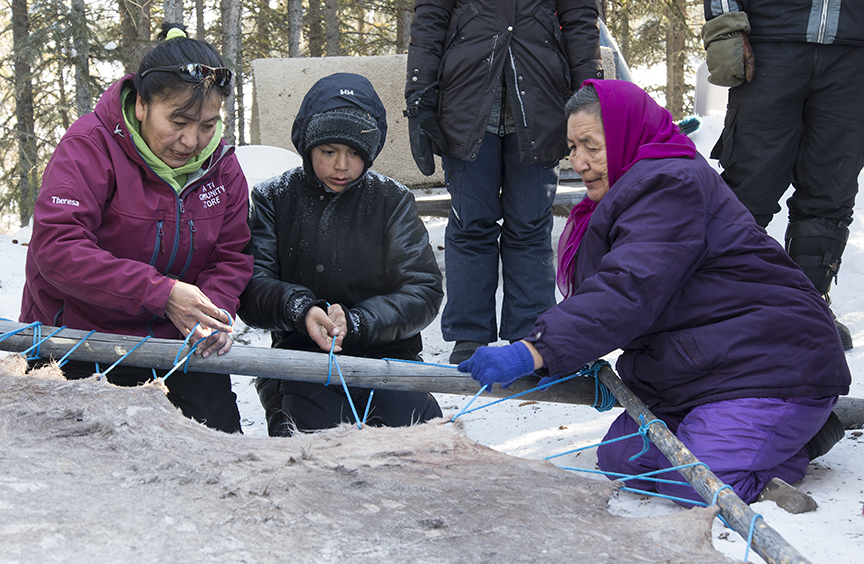
The NWT On the Land Collaborative Fund brings together the resources and expertise of a diverse group of funders and community partners. Learn more about the history and mechanics of the fund, as well as the projects that were supported in the recently-released 2016 NWT On the Land Collaborative Fund Report.
Impact philanthropy: Aligning giving and investing with donor advised funds
Today, SVX (Social Venture ConneXion) and Tides Canada released a joint paper focused on a novel and emerging social finance instrument in the philanthropic sector—the impact donor advised fund.
Powered by Data helps nonprofits use, share, and learn from data—new Tides Canada project
Data is everywhere and increasingly shapes the world in which we live. Today, more than ever, it is viewed as an important tool to help organizations do their work and make better decisions.
Announcing winners of this year’s Fish 2.0 competition—innovations in aquaculture
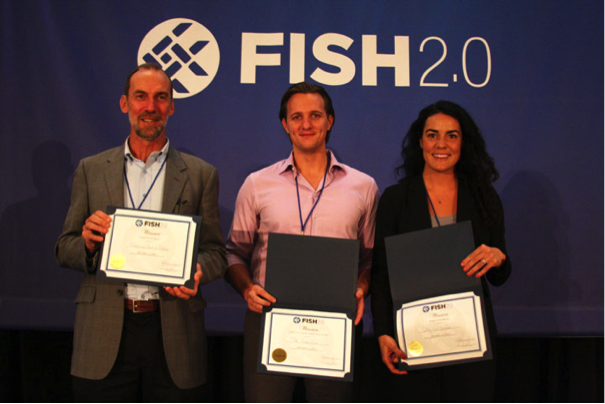
Tides Canada continues to support the Fish 2.0 business competition to advance sustainable aquaculture solutions that protect wild salmon and the marine environment while encouraging a successful seafood industry.
2015 Year-end Giving Deadlines
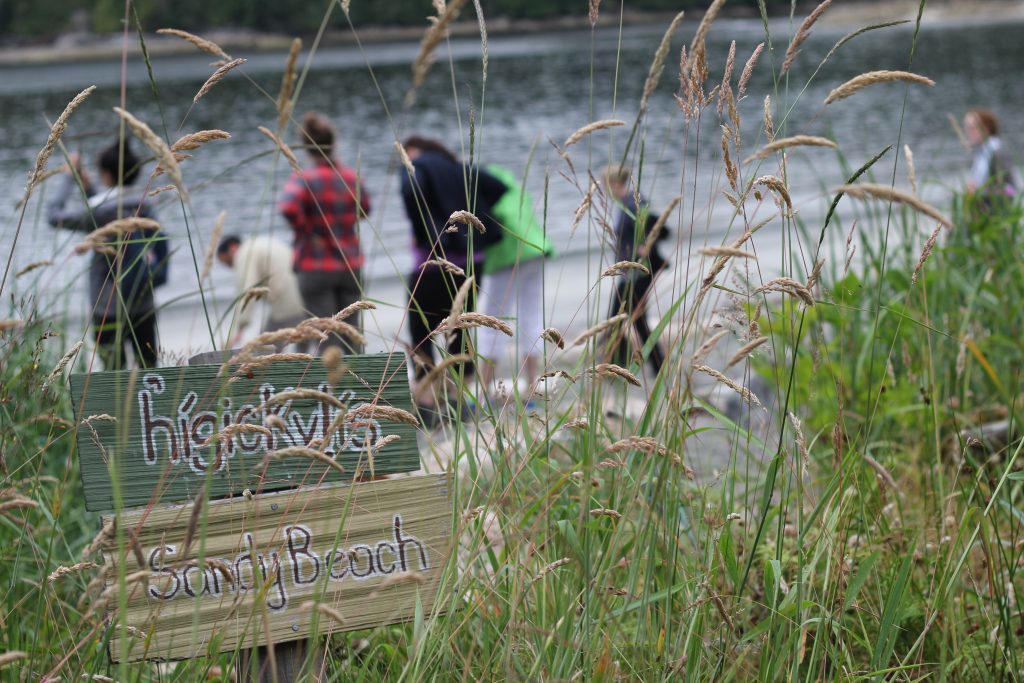
As you plan your year-end giving, we hope you will consider a gift to Tides Canada to advance our work in tackling tough social and environmental issues. Please mark your calendars with these important year-end giving dates.
A new shared home in Yellowknife
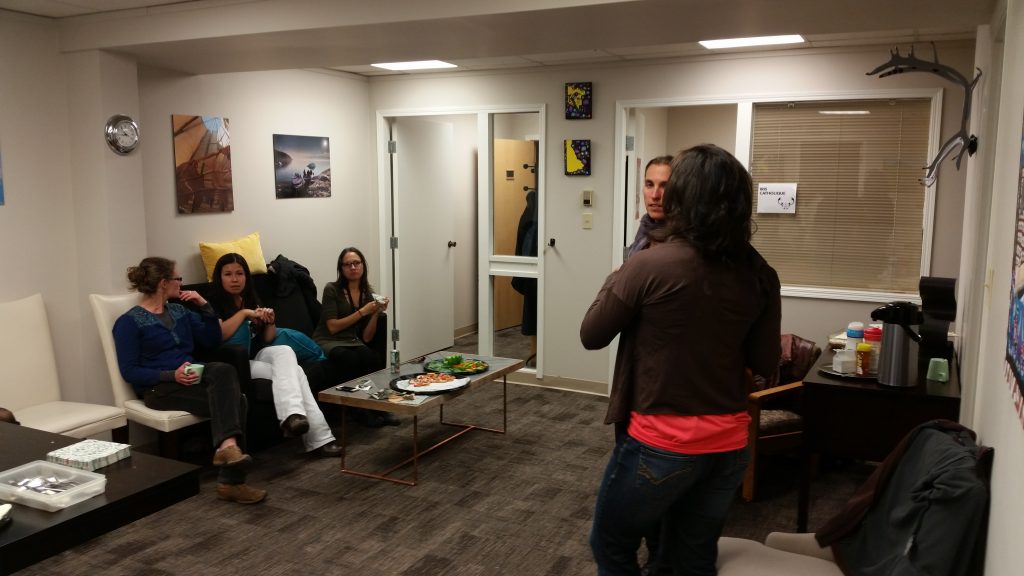
Tides Canada recently hosted an Open House at our new downtown Yellowknife office. More than 60 visitors came by to see the new space where our Northern Canada program lead, Steve Ellis, is stationed along with some new officemates—three projects on the shared platform, Dene Nahjo, Northern Youth Leadership, and Arctic Funders Collaborative.
ImpactOntario 2015: Invest for Impact
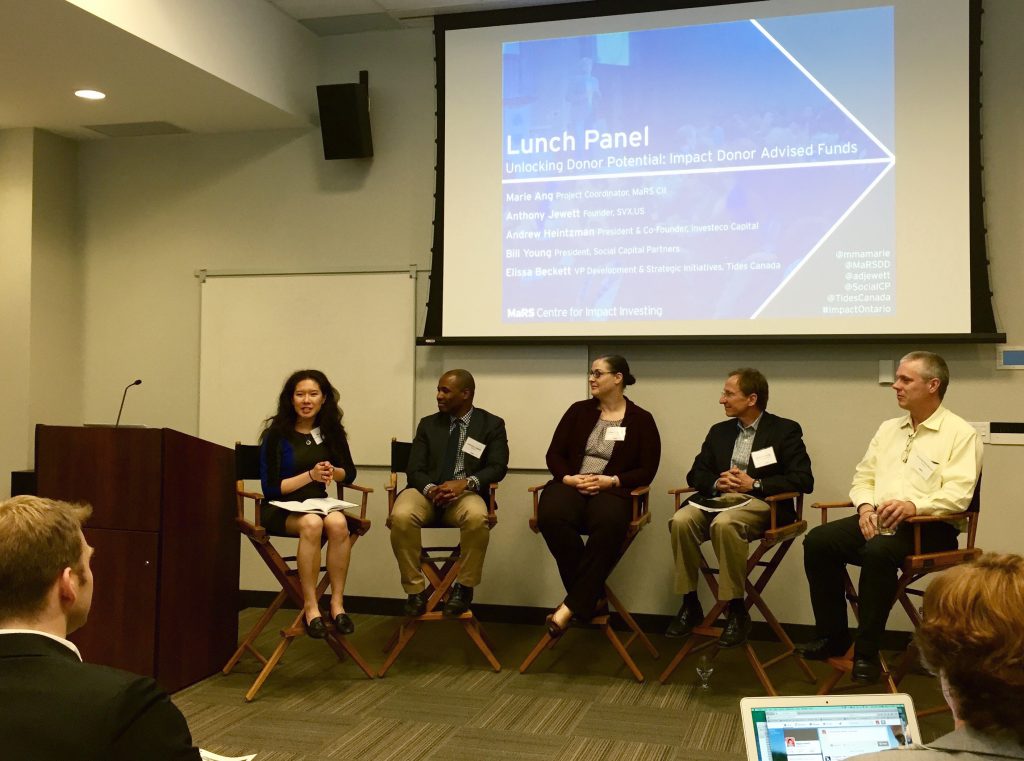
Tides Canada is proud to have supported ImpactOntario 2015 in partnership with MaRS, SVX, the Government of Ontario, and Deloitte on May 25 in Toronto. The conference brought world-changing Ontario ventures together with leading investors for a full day of learning, networking, and impact investment opportunities.
Connecting sustainable seafood businesses with investors, resources with Fish 2.0
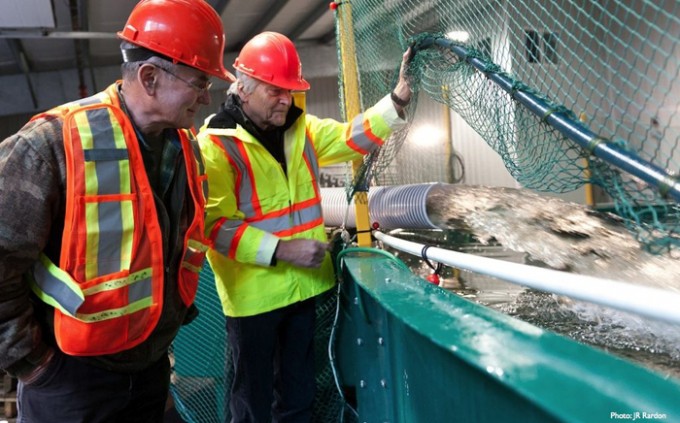
Driving business growth while creating positive environmental and social change might seem a bold endeavour, but the team at Fish 2.0 not only believe it can be done, they’ve created the forum to make it happen. Now in its second installment, Fish 2.0 is a business competition that connects global sustainable seafood and aquaculture businesses with potential investors. Tides Canada is proud to once again support Fish 2.0 as part of our work to advance aquaculture solutions.
Fostering social innovation through shared spaces

In the heart of Toronto’s Regent Park neighbourhood in a building called Daniels Spectrum on 585 Dundas Street, you’ll find the home of the Centre for Social Innovation (CSI) Regent Park.